
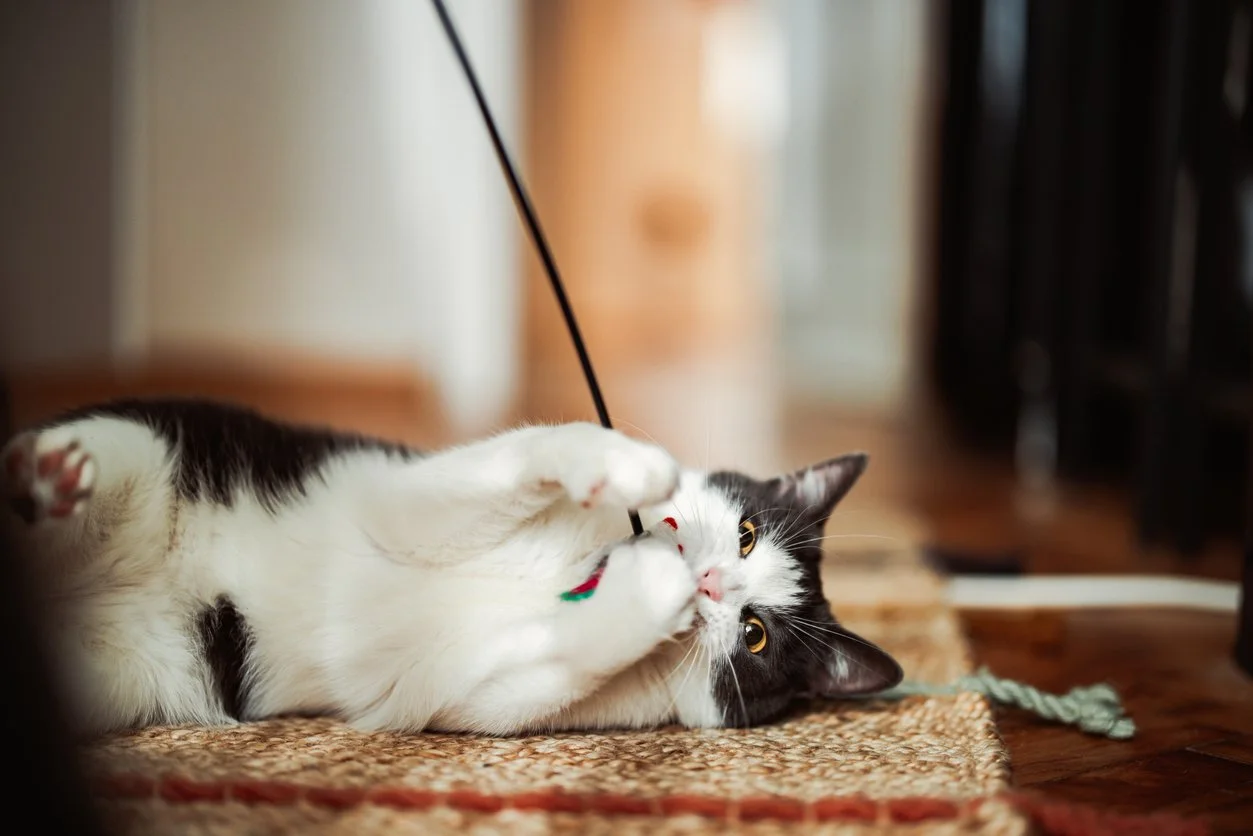
Dogs and cats are living longer than ever before thanks to remarkable advancements in modern veterinary medicine. But anyone who’s had an elderly pet knows that longer doesn't automatically mean better, and it's well worth the effort to give our pets a good, long life.
Lifespan vs. Healthspan: What's the Difference?
Lifespan is defined as the total number of years your pet is alive. Healthspan, on the other hand, is the portion of that life your pet spends healthy, active, comfortable, and genuinely enjoying themselves. This is the time when they have a high quality of life. Our goal as veterinarians is to help you add years to your pet's life while making sure they are living those extra years to the fullest.
Common Age-Related Conditions That Go Unnoticed
One of the things that makes evaluating quality of life in dogs and cats is that they’re not complainers. For example, more than 80% of dogs over the age of eight show signs of osteoarthritis, yet most owners have no idea until the disease is very far along. Cats are even harder to read, as they are experts at hiding joint pain, and many cat owners mistake a decline in jumping or grooming for simple aging rather than a treatable problem.
Cognitive dysfunction follows a similar pattern in both species. Confusion, disrupted sleep, and behavioral changes start to gradually become part of their day-to-day, and they're easy to write off as "just getting old" rather than recognized as something we can actually address. Pets with cognitive decline may also pace at night, seem lost in familiar spaces, or become less interested in interacting with their family. These changes are frequently attributed to normal aging when they're often a distinct, manageable condition.
Pet owners are also often surprised to learn that gut health is one of the biggest contributors to healthspan. As pets age, the microbial balance in their digestive system can change and cause inflammation, immune changes, and even cognitive decline. At DVC, we know a healthy gut plays a role in how well the rest of your pet’s body ages.
A Different Way of Thinking About Aging
We’re proud to be part of a movement in veterinary medicine right now that is leaning into preventative care, rather than only treating symptoms once they become a clear problem.
To do that, we strive to pay attention to subtle behavioral changes, not just physical ones. Increased irritability, withdrawal from favorite activities, or changes in sleep patterns are now understood as legitimate signs of pain or discomfort, not just personality shifts that come with age. It’s part of why we’ve normalized mobility and cognitive assessments as part of routine, preventive care. We don’t want to only check on this once a pet is limping or clearly struggling.
Aging is a dynamic process where nutrition, physical activity, environmental setup, social interaction, and consistent preventive care all genuinely influence how well a pet ages, not just how long they live. Understanding this is positive and encouraging, because it means pet parents can have a real impact on how their pet’s healthspan develops.
Practical Steps to Improve Your Pet's Healthspan
Waiting for visible symptoms means waiting until a condition has already had plenty of time to progress. Acting sooner gives you and your veterinarian far more time to slow that progression, maximize comfort, and keep your pet doing the things they love for longer.
Here are a few practical steps that make a meaningful difference in a pet's healthspan:
Keep up with regular wellness exams, even when your pet seems perfectly fine. Early detection is what makes management effective rather than reactive. Annual bloodwork and X-rays go a long way
Ask about mobility and cognitive assessments as your pet enters their senior years, generally starting around age seven. These evaluations catch changes long before they become obvious at home.
Make small environmental adjustments. Ramps, non-slip flooring, and easily accessible food and water stations reduce daily strain on aging joints and can meaningfully improve comfort.
Keep your pet mentally engaged. Puzzle feeders, new scents, and simple training exercises help maintain cognitive function as they age.
Pay attention to nutrition. Diets that support joint health, cognitive function, and a healthy body weight can measurably slow the progression of age-related decline. Your veterinarian can help tailor this to your pet's specific needs.
Trust Your Instincts as a Pet Parent
Subtle changes are often the first real signal that a new condition is developing in your cat or pup. Pet parents are usually the first to notice them, long before they show up in a clinical exam, so if something feels different about your pet's energy, mobility, or behavior, trust your instinct and act on it.
The ultimate goal of quality pet care is to protect their quality of life for as much time as possible.
If your dog or cat is entering their senior years, or they’re young and you want to keep them acting that way for longer, Dr. Olson can help you build a proactive plan tailored to their specific needs, right in the comfort of your home. Schedule an appointment today.