
Things That Go Scratch in the Night
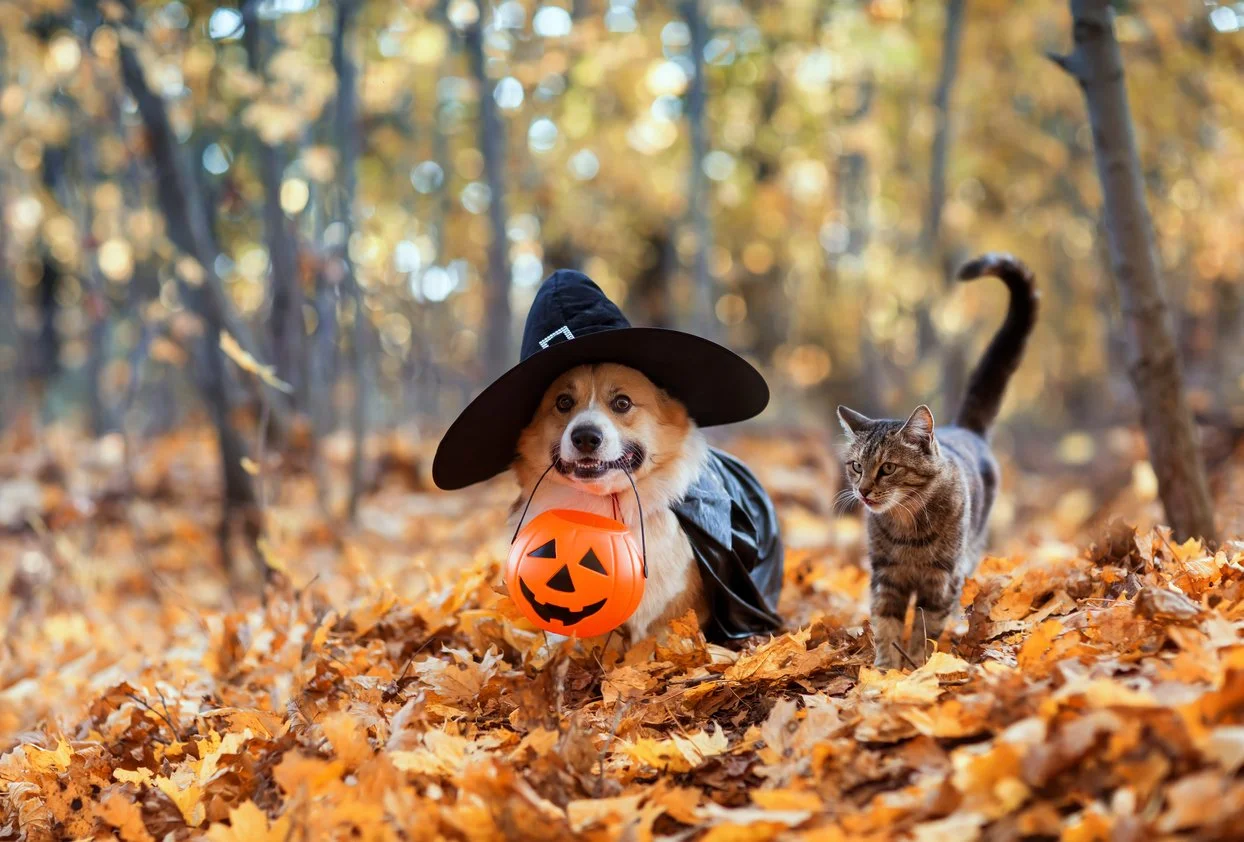
Halloween in Dallas is one of the best nights of the year. Between the costumes, candy, and kids darting between houses on warm autumn evenings, it has it all. It's one of the best nights of the year, but for pet owners, it also comes with a handful of hazards worth knowing before the sun goes down. Some are obvious, but some might spook you!
Let's talk about what to watch for this Halloween season, starting with the threat that catches the most pet owners off guard.
Beware This Toxic Treat
Chocolate. Most know it's toxic to dogs, yet every Halloween, veterinary emergency rooms across the country see a spike in chocolate ingestion cases. A bowl left at the door, a bag on the floor, or a well-meaning child sharing a treat is all it takes to make your dog sick.
Chocolate contains theobromine and caffeine, both of which dogs metabolize differently than people. The darker and more bitter the chocolate, the higher the risk because it’s that much more concentrated. Cocoa powder and baker's chocolate are the most dangerous, followed by dark chocolate, milk chocolate, and then white chocolate. It’s a ratio of chocolate to body weight, so a Hershey kiss for a Husky might not do much harm but a truffle to a Tibetan Terrier is a bog deal!
Signs of toxicity can appear within two to twelve hours of ingestion and include vomiting, diarrhea, restlessness, rapid heart rate, tremors, and in severe cases, seizures. If you suspect your pet has eaten chocolate, don't wait for symptoms. Call your veterinarian or one of these 24/7 emergency hotlines for advice immediately:
Pet Poison Helpline: 855-764-7661
ASPCA Animal Poison Control Center: 888-426-4435
One more thing: sugar-free candies containing xylitol are equally dangerous and increasingly common in Halloween candy bags. Check labels carefully and keep all candy out of reach, including the stash your kids think they've hidden in their rooms. A dog's nose will find it.
Creepy Crawlies Don't Take A Season Off
Here's something I hear every fall, more times than I can count: "We stopped the flea and tick prevention for winter." I understand that as it gets cooler and you see fewer bugs, it feels safe to take a break, but the risk isn’t worth it.
Fleas find your home and yard perfectly comfortable year-round, setting up shop in carpet, bedding, shrubbery, and lawns regardless of what the temperature is doing outside. They can also overwinter in garages, sheds, and wood piles waiting for your pet to walk by. A single flea can lay hundreds of eggs before you ever notice a problem, and by the time you do, you're dealing with an itchy problem that is significantly harder and more expensive to resolve than preventing it in the first place.
Ticks are even more stubborn. Many species remain active in temperatures almost down to freezing, and they carry diseases including Lyme disease, Ehrlichiosis, Rocky Mountain Spotted Fever, and Anaplasmosis. These conditions can cause fever, joint pain, lethargy, and in serious cases, clotting issues. The lone star tick, common throughout Texas, is one patriotic parasite of which we are not a huge fan!
And then there's heartworm disease, known as Dirofilariasis. Mosquitoes transmit heartworms and mosquitoes are certainly not done with Dallas in October. Warm spells can cause them to reactivate even in the middle of winter around here, and in urban areas like ours, they overwinter in buildings and the heat islands created by structures and parking lots. In certain species, the larvae migrate to the heart and lungs, where they grow into long worms over time. By the time symptoms appear, the disease is often pretty advanced. Treatment is costly, lengthy, and hard on your pet as it is a derivative of Arsenic. Monthly prevention, by contrast, is simple, affordable, and nearly 100% effective when given consistently. It’s also much safer nowadays and can even come as a once-a-year injection!
This is why we ask that you keep your pet on flea, tick, and heartworm prevention every single month, including October, November, and beyond. If you're unsure which product is right for your dog or cat, I'm happy to talk through the options during a visit. Whether it’s a monthly pill or an annual injection, we have a safe and effective option for you furry family members.
Keeping Your Pet Safe During Trick-or-Treating
A front door opening and closing dozens of times on Halloween night is, from your dog's perspective, an extremely exciting and potentially overwhelming experience. Even well-behaved pets can bolt when startled by a costume, a crowd, or a calamity.
A few simple precautions make a real difference:
Set your pet up in a separate, comfortable room away from the front door during peak trick-or-treating hours. Give them their favorite toys, a food puzzle, or a chew to keep them occupied.
Make sure ID tags are current and that your pet is microchipped. If they do get out, reflective collars and current contact information dramatically improve the chances of a quick reunion. Halloween brings more foot traffic, more noise, and more strangers in unusual costumes than almost any other night of the year, all things that can spook even a calm animal.
If you're dressing your pet up, make sure the costume fits properly and doesn't restrict movement, vision, or breathing. Check for small or dangling pieces that could be chewed off and swallowed. If your pet seems stressed, a festive bandana is always a perfectly good alternative.
Keep decorations out of reach. Lit jack-o-lanterns are a burn risk for curious noses and wagging tails. Wires, small accessories, and costume props are all potential choking hazards. Glow sticks are generally non-toxic but can cause drooling and GI upset if chewed on.
Ready for a Visit? We'll Come to You.
Halloween is one night, but chocolate consumption and parasite prevention are year-round commitments. If your pet is due for a checkup, overdue on prevention, or you just want to make sure everything is in order heading into fall, Dr. Olson offers in-home appointments across Dallas so your pet can get the care they need without leaving the house.
Schedule an appointment today and enjoy the holiday knowing your pet is protected.