
Five Great Indoor Plants for Your Pet’s Health
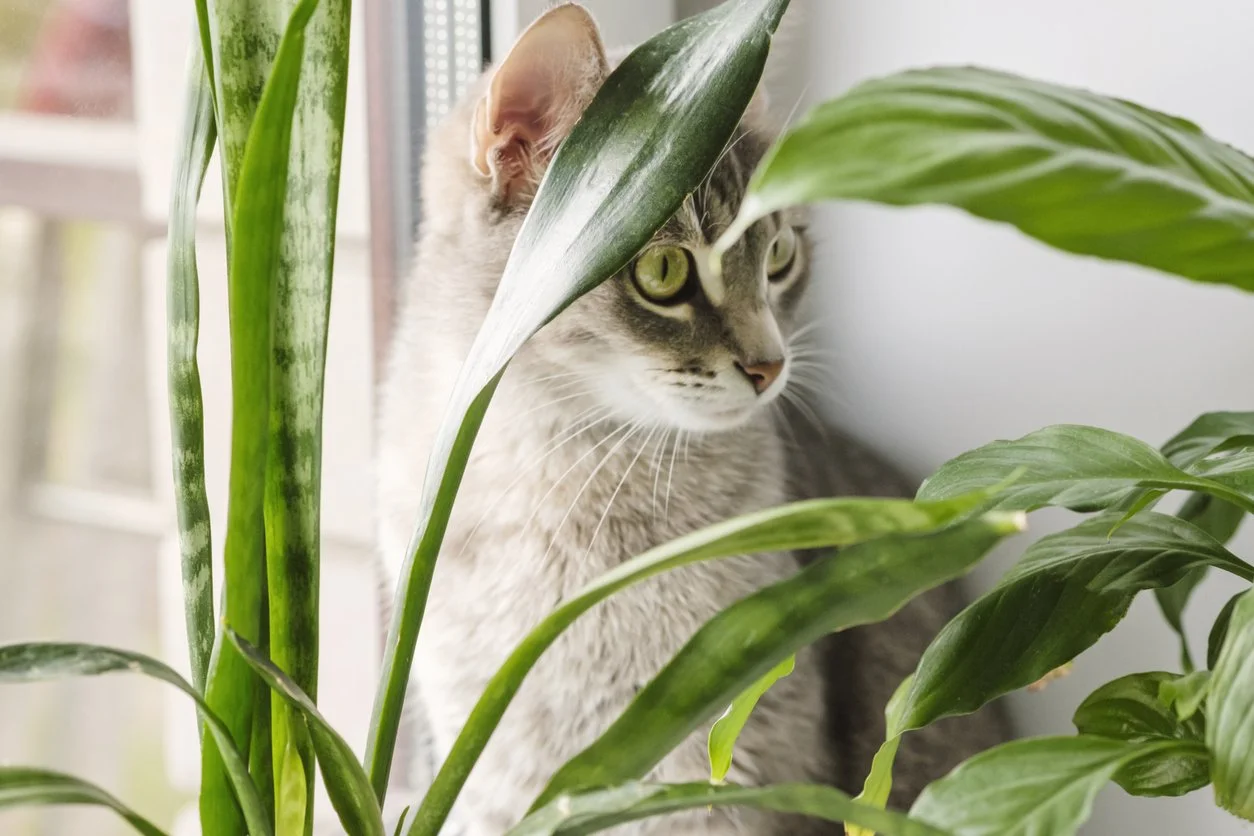
Plenty of pet parents are nervous about bringing home plants because they worry their pets might ingest them and get sick. That’s fair, because many common houseplants are toxic to dogs and cats, who just so happen to explore the world with their mouths and snoots.
Fortunately, there are plenty of safe options for you and your pets. Bringing the right indoor plants into your home brightens a room and can even help create a calmer, more inviting environment for both you and your pets.
Why Plant Choice Matters in a Pet-Friendly Home
Indoor plants are often associated with cleaner air, reduced stress, and a more peaceful living space. For pet owners, safety should always come first.
Some popular houseplants like pothos, snake plants, philodendrons, and peace lilies can cause symptoms ranging from mild stomach upset to more serious irritation if ingested. Others, like true lilies, are extremely toxic to cats, and small exposures can make them very sick.
Even pet-safe plants should be placed thoughtfully and monitored, since eating large amounts of any plant can still lead to digestive upset. With that in mind, here are five indoor plants that are both beautiful and safer to keep in a pet-friendly home.
1. Wheatgrass
Wheatgrass is one of the most functional additions you can bring into a home with pets. It has a soft, grassy appearance that feels natural and inviting, especially in kitchens or sunny windows.
Many pets are naturally drawn to it. Cats and dogs often enjoy nibbling on wheatgrass because it mimics the grasses they would encounter outdoors. For some pets, this can support digestion or simply provide a safe outlet for that instinct to graze.
For pet parents, it is also interactive. Watching it grow and trimming it regularly can feel like a small, rewarding routine.
Care: bright, indirect light and evenly moist soil
2. Catnip
Catnip is both practical and entertaining. Its leafy green appearance fits easily into most indoor plant collections, but its real appeal is how pets respond to it.
For many cats, catnip provides stimulation that encourages play, movement, and curiosity. It can turn an otherwise quiet afternoon into a burst of energy and engagement. For indoor cats especially, this kind of enrichment can make a noticeable difference in their daily routine.
It is also easy to grow and forgiving, making it a great choice even if you are new to houseplants.
Care: bright light; allow soil to dry slightly between waterings
3. African Violet
African violets bring something many pet-safe plants do not: color. Their soft, velvety leaves and small, vibrant, amethyst blooms add warmth to a space without overwhelming it. They are often placed on side tables, shelves, or kitchen windows where their flowers can be appreciated up close.
Pets are usually less interested in African violets compared to grass-like plants, which can make them a good option if you have a particularly curious dog or cat. Our own Dr. Olson keeps these at home for their cheerful appearance and reliability throughout the year.
Care: bright, indirect light and consistent watering; prefers a warm environment
4. Spider Plant
Spider plants are a favorite for their relaxed, cascading look. Their long, arching leaves make them ideal for hanging baskets or elevated planters, where they can add movement and softness to a room.
Pets, especially cats, are sometimes drawn to spider plants because of their thin, grass-like leaves that sway and move. This can make them tempting to bat at or chew. Fortunately, they are considered relatively non-toxic, making them a safer option for households where curiosity is inevitable.
Care: bright, indirect light; water when the top inch of soil is dry
5. Chinese Money Plant (Pilea)
The Chinese money plant has become popular for its clean, modern aesthetic. Its round, coin-shaped leaves give it a distinctive appearance that works well in minimalist or contemporary spaces. It is also a forgiving plant. If you forget to water it occasionally, it tends to recover well, which makes it appealing for busy households.
Pets are typically less drawn to this plant than to grasses or trailing leaves, though some may still investigate. Its sturdy structure and pet-safe profile make it a reliable addition to shared spaces.
Care: bright, indirect light; let soil dry slightly between waterings
A Few Important Plant Safety Tips
Even with pet-safe plants, a little planning goes a long way:
Keep plants out of easy reach when possible
Avoid placing heavy pots where they can be knocked over
Be cautious with plants that have thorns or sharp edges
Always research a plant before bringing it into your home
If you already have plants like monstera, snake plant, ZZ plant, or pothos, they can still be part of your space — but should be kept out of reach or monitored.
Creating a Home That Supports Your Pet’s Health
Plants and pets can absolutely coexist, and we encourage it! With the right choices, indoor plants can enhance your home while supporting a safe, comfortable environment for your animals.
At Dallas Veterinary Concierge, Dr. Olson takes a full-service approach to care, helping pet parents think beyond appointments and consider the everyday environment their pets live in.
Have questions about your pet’s environment or overall care? Schedule an appointment with Dr. Olson to get tailored recommendations.